





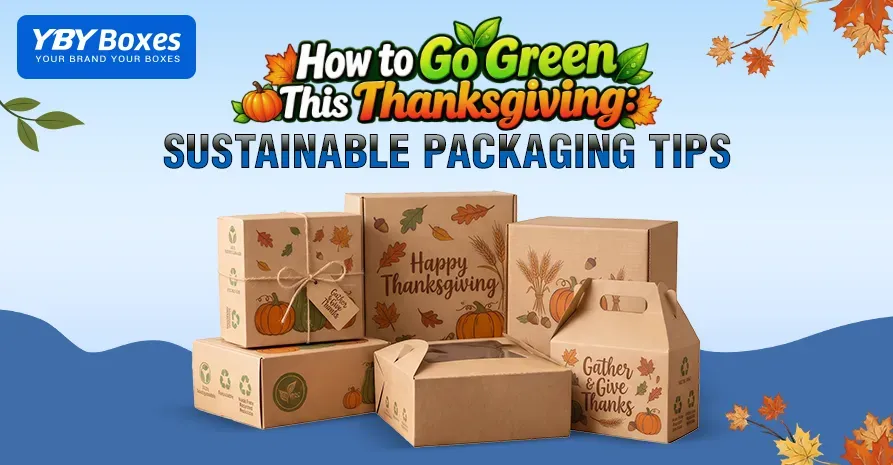
According to the EPA, household waste in the U.S. rises by about 25% between Thanksgiving and New Year’s, and the numbers keep climbing. With Thanksgiving around the corner, let’s make this year different.
While brands struggle to stand out on shelves this Thanksgiving, wouldn’t it be great to target eco-conscious customers who prefer eco-friendly packaging?
This blog post focuses on how to go green this Thanksgiving with sustainable packaging tips worth reading.
Sustainable Packaging Tips for This Year’s Thanksgiving
Thanksgiving may feel like a one-day event, and it is, but its environmental footprint is massive. The following are eco-friendly packaging ideas you can use this Thanksgiving to impress eco-conscious customers.
1. Audit Your Current Holiday Packaging
Begin with an easy audit. Enumerate all packaging materials used in Thanksgiving packaging, including outer/ inner boxes, void fillers, tapes, labels, inserts, and wraps. Take note of the material, size, and source of each.
Next, point out the trouble areas. Mixed-material packaging like foil-lined paper, plastic windows, and foam inserts is the most difficult to recycle and also the easiest to substitute.
2. Move to Recycled and Certified Materials
Do not accept the supplier’s word alone; ask for proof, such as:
- FSC or SFI certified paper & board.
- Percentage of post-consumer recycled material in the spec sheet.
- Mono-material design, which makes recycling easier for the customer.
Custom-printed kraft corrugated, custom recycled paperboard, custom kraft box packaging, and molded fiber can fulfill most seasonal requirements.
3. Right-Size Your Boxes
A box that is two sizes larger than needed will cost you more money in terms of wasted board, additional filler material, and higher freight costs.
With custom-sized boxes, you save on all three. If you cannot run custom jobs this year, you can consolidate your boxes into two or three sizes that fit.
Replace air pillows and bubble wrap with paper filler when the product allows for such treatment.
4. Choose Compostable Only When the Disposal Procedure Exists
Compostable packaging is only feasible when there is an existing commercial compost facility. This can be verified by looking for BPI certification and informing consumers where the product needs to be disposed of. In places without proper compost facilities, paper packaging is preferable.
5. Print Smartly
The printing decisions will influence the ability to recycle the product and keep costs down:
- Water-based and soy-based inks are preferable.
- Aqueous coating should be used rather than plastic lamination.
- One- or two-color print on natural kraft paper is preferable to save money.
- Do not put the date on the design ("Thanksgiving 2026"). The seasonal design without the year could use the old inventory next November.
6. Add Clear Disposal Instructions
No matter how good your packaging is, without instructions, it will always end up in the wrong recycling bin. Just add a small line or symbol to the packaging to instruct people what to do. Be very precise when giving instructions, because any vague claims can get you in trouble with the FTC Green Guides.
7. Research About Packaging Supplier
The supplier can be critical to success for your seasonal product launch. Before ordering, verify:
- Lead times on custom manufacturing.
- MOQs (minimum order quantities) and reordering options.
- Certification documentation for materials used.
- Availability of print-ready or unprinted sample units.
- Ability to meet increased demand during the season.
If you are not able to meet lead time requirements for custom orders this year, then see what kind of stock is available using recycled or FSC-certified materials.
Why Brands Should Switch Before the Holiday Rush?
The following are the reasons brands should switch to eco-friendly packaging before the holiday rush.
Buyer & Retail Partner Expectations: Retailers expect more information about material content and sustainability data before purchasing anything.
Consumer Perceptions: Any extra packaging is visible in unboxing videos and consumer feedback.
Regulation: More & more states and provinces in the USA adopt extended producer responsibility laws for packaging materials, and there are FTC Green Guides for environmental claims.
Transportation Cost: The carriers calculate the price per volumetric weight of the package.
Ending Thoughts!
A more sustainable approach to packaging Thanksgiving products involves these sustainable packaging tips that need to be made early in the process: improved materials, right-sized boxes, proper labeling, and the right supplier like YBY Boxes USA.
By making these choices, brands are able to get into the holiday spirit without any unexpected expenses and answer all the sustainability inquiries from their customers.