





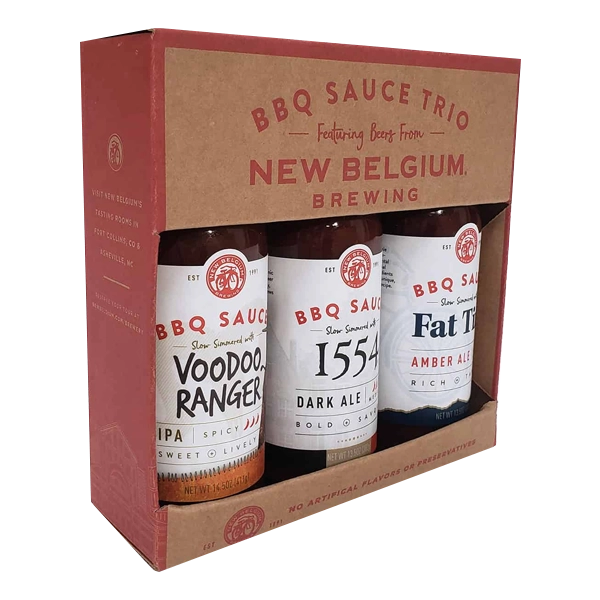

Build Custom Bottle Boxes Around the Bottle — Not a Standard Template
The first decision in bottle packaging should be the bottle itself.
Two products can hold similar volumes while requiring completely different boxes because their bottle shape, diameter, shoulder profile, cap, pump, dropper, sprayer, or overall height is different.
Before choosing a box style, consider:
- Bottle height
- Bottle width or diameter
- Bottle shape
- Closure or cap height
- Bottle material
- Filled product weight
- Number of bottles per box
- Retail, gifting, storage, or shipping use
- Required insert or divider
- Opening and loading method
Providing accurate bottle dimensions makes it easier to develop packaging that holds the product more appropriately without excessive empty space.
A made-to-fit bottle box can also create a cleaner presentation than an oversized stock carton filled with unnecessary packing material.
Custom Bottle Packaging for Different Products and Industries
Bottle packaging serves businesses across a wide range of categories.
Custom bottle boxes can be developed for products such as:
- Perfumes and fragrances
- Essential oils
- Beard oils
- Hair oils
- Skincare serums
- Lotions
- Cosmetic liquids
- Tinctures
- Syrups
- Supplements
- Personal-care products
- Household liquids
- Specialty beverages
- Promotional products
- Gift sets
- Sample bottles
The packaging requirements for each category can differ considerably.
A lightweight cosmetic bottle displayed on a retail shelf may prioritize printing and presentation, while a heavier glass bottle may require greater structural support and a more controlled internal fit.
For this reason, material, structure, and insert selection should follow the actual product rather than a one-size-fits-all bottle-box formula.
Choose a Box Style That Matches the Bottle and Buying Experience
Different bottle products benefit from different opening and presentation styles.
Straight Tuck End Bottle Boxes
Straight tuck end cartons provide a familiar folding-carton format for retail bottle packaging.
They can work well when brands want a clean front panel, side panels for product information, and straightforward top-and-bottom access.
Reverse Tuck End Bottle Boxes
Reverse tuck end cartons offer another compact retail structure for lightweight bottled products.
The appropriate tuck configuration should be selected according to the bottle, loading process, artwork layout, and required closure.
Auto-Lock Bottom Bottle Boxes
Auto-lock or crash-bottom styles can provide additional base structure for products that benefit from quicker assembly or more support at the bottom of the carton.
They can be considered for heavier bottles where a simple lightweight tuck carton may not be the preferred construction.
Sleeve and Tray Bottle Boxes
Sleeve packaging creates a slide-out presentation.
An inner tray can hold the bottle while the outer sleeve provides prominent space for branding, artwork, product messaging, or finishing.
This structure can suit gift-oriented, cosmetic, fragrance, promotional, or premium presentation projects.
Two-Piece Bottle Boxes
A separate lid-and-base configuration can create a slower, more deliberate opening experience.
Two-piece styles may be useful for bottle gift sets, presentation packaging, promotional launches, or products positioned around an elevated unboxing experience.
Corrugated Bottle Boxes
Corrugated structures can be considered for heavier products, multi-bottle packs, ecommerce applications, or situations where greater structural support is required.
The appropriate flute and box design should be chosen according to bottle weight, quantity, handling, and delivery requirements.
Keep Glass and Fragile Bottles More Organized with Custom Inserts
A bottle that can move freely inside an oversized box is more difficult to present consistently.
Custom inserts can help create a defined position for the bottle inside the package.
YBY Boxes offers die-cut insert options that can be adapted according to the packaging structure and product.
Depending on the project, inserts can help:
- Position a bottle more centrally
- Reduce unnecessary internal movement
- Separate multiple bottles
- Create individual product cavities
- Organize bottle-and-accessory sets
- Improve presentation after opening
- Maintain spacing between products
For multi-bottle arrangements, partitions or divider-style layouts can also be considered when separate compartments are required.
The exact insert design should be based on physical product dimensions rather than assumptions about bottle capacity alone.
Design Multi-Bottle Packaging with Each Bottle Position in Mind
Packing two, three, four, or more bottles inside one box creates different structural requirements from single-bottle packaging.
The layout should answer several questions before artwork begins:
How many bottles will be packed?
Will every bottle have the same dimensions?
Do bottles need separate compartments?
Will an accessory, applicator, or promotional item also be included?
How will the customer remove each product?
Does the box need to remain upright during presentation?
These decisions determine whether the package needs partitions, die-cut inserts, a tray, or another internal arrangement.
Planning the inside first also prevents the exterior box from becoming unnecessarily large.
Select Bottle Box Materials According to Product Weight and Presentation
YBY Boxes lists multiple paper-based stock options for custom packaging.
The appropriate material depends on the bottle, box structure, presentation, and intended use.
SBS Paperboard
SBS paperboard provides a smooth printable surface and is commonly suited to folding cartons where detailed branding and retail presentation are important.
YBY Boxes lists 14pt, 16pt, 18pt, and 24pt SBS paperboard among its stock options.
It can be considered for many lightweight to moderate bottle-packaging applications depending on the structural requirements of the final design.
Kraft
Kraft can provide a more natural visual character for brands that prefer an earthy or minimal packaging appearance.
It can work particularly well when the natural stock color is intentionally incorporated into the graphic design instead of being treated as a surface that needs to look like white paperboard.
Corrugated Board
YBY Boxes lists corrugated options from A to E flute.
Corrugated structures may be considered for heavier bottles, larger sets, ecommerce applications, or other bottle packaging that requires more structural support than a conventional folding carton.
Material selection should be finalized after considering filled bottle weight and overall box construction.
Print Product Information Where Customers Can Actually Use It
Custom bottle boxes provide more printable surface than the bottle label alone.
That additional area can help brands organize useful information without overcrowding the container.
Depending on the product and information supplied by the customer, packaging artwork may include:
- Brand logo
- Product name
- Variant or scent
- Bottle volume
- Product description
- Ingredients
- Usage directions
- Warnings
- Storage information
- Barcode
- Batch-related space
- QR code
- Social media details
- Website
- Contact details
- Promotional messaging
The exact information required varies by product category.
YBY Boxes should reproduce customer-approved information accurately but should not invent regulatory, medical, ingredient, or performance claims on behalf of the brand.
Use Digital or Offset Printing for Branded Bottle Packaging
YBY Boxes lists digital and offset printing among the available printing methods, along with PMS-based color options.
The printing approach can be selected according to artwork, quantity, color requirements, and project specifications.
Bottle packaging can be printed with:
- Full-color graphics
- Brand colors
- Product photography or illustrations
- Minimal typography
- Pattern-based designs
- Inside printing where appropriate
- Exterior branding
- Product identification panels
- Promotional artwork
The box artwork should be prepared around the actual dieline so important graphics do not fall across cuts, folds, glue areas, or other structural elements.
Add Finishes Where They Strengthen the Design
Finishing should have a reason.
Adding every possible effect to one package can make the artwork visually confusing.
Instead, finishes can be selected according to the element that needs emphasis.
YBY Boxes lists options including:
- Gloss
- Matte
- AQ coating
- Spot UV
- UV coating
- Holographic coating
- Embossing
- Debossing
- Hot stamping
For example, a logo might use foil stamping while the rest of the carton remains matte.
A product name could be embossed for tactile emphasis.
Spot UV can highlight selected printed details without covering every panel.
The right finish should support the brand identity rather than overwhelm it.
Let Customers See the Bottle with a Die-Cut Window
A die-cut window can be useful when the bottle itself contributes to product appeal.
This can work for distinctive bottle shapes, colored liquids, fragrance bottles, cosmetic containers, or gift products where customers benefit from seeing part of the product before opening the box.
The size and position of the window should be planned carefully.
Removing too much paperboard can affect the structure of a carton, so window placement should balance product visibility with the needs of the final box design.
Build Retail Bottle Boxes for Easy Product Identification
When several similar bottles sit together on a retail shelf, packaging can help customers distinguish between variants.
Product differentiation can be created through:
- Color coding
- Clear product naming
- Variant labels
- Size information
- Consistent logo placement
- Different supporting graphics
- Organized side-panel information
The goal is not simply to make every SKU look different.
A stronger packaging system allows customers to recognize that several products belong to the same brand while still identifying the correct variant quickly.
Create Bottle Packaging That Supports Shelf Presentation
A bottle carton has several visible surfaces that can contribute to shelf presentation.
The front panel can focus on primary brand and product recognition.
Side panels can hold supporting information.
The top panel can reinforce the logo, product name, or variant.
The back can accommodate additional customer-supplied product details.
Planning this hierarchy before designing individual panels helps avoid repeating the same message everywhere.
For bottles sold in crowded retail environments, readability at a reasonable viewing distance should take priority over filling every available space with text.
Custom Bottle Boxes for Gift and Promotional Sets
Bottle products are also frequently combined into kits or gift-oriented presentations.
A custom box can be structured to hold:
- Two or more bottles
- Bottle and applicator
- Bottle and accessory
- Product samples
- Coordinated product variants
- Promotional merchandise
- Seasonal bottle collections
- Influencer or PR sets
For these projects, the internal arrangement becomes part of the presentation.
An insert can help establish where each component belongs and make the package appear organized immediately after opening.
The exterior artwork can then connect the set through one coordinated brand message.
Avoid Oversized Packaging by Measuring the Filled Product
Bottle measurements should be taken from the actual final product whenever possible.
Remember to account for:
- Pump height
- Dropper top
- Sprayer
- Oversized cap
- Protective collar
- Label thickness where relevant
- Secondary wrapping
- Insert clearance
- Required opening space
A nominal bottle capacity alone is not enough to determine box size.
Different bottle manufacturers can use very different shapes for products holding the same volume.
This is also why the main Custom Bottle Boxes page should address general bottle-packaging requirements, while capacity-specific bottle pages can focus more closely on individual bottle sizes.
Plan Packaging for the Bottle’s Weight, Not Only Its Appearance
A visually attractive carton still needs to suit the product inside.
Filled glass bottles may place considerably more load on the base of a box than lightweight plastic containers.
Where greater support is needed, the packaging structure, stock selection, bottom closure, and internal layout should be reviewed together.
For multi-bottle products, total packed weight matters more than the weight of one individual bottle.
Selecting the structure after calculating the full packed configuration produces a more practical solution than choosing purely from appearance.
Keep Bottle Sets Separated with Dividers and Compartments
When several bottles share one outer box, direct bottle-to-bottle contact may also affect presentation.
Partitions can create separate spaces for each item.
A compartment-based layout can be useful for:
- Product bundles
- Sample collections
- Fragrance sets
- Oil sets
- Promotional collections
- Bottle-and-accessory kits
- Retail multipacks
The compartment dimensions should follow the individual bottle measurements and desired removal clearance.
For more specialized multi-bottle arrangements, YBY Boxes also maintains dedicated bottle-box-with-divider packaging options.
Make the Packaging Consistent Across Different Bottle SKUs
Brands that sell several bottle products do not necessarily need completely different packaging identities for every SKU.
A scalable design system can use:
- Shared logo position
- Shared typography
- Common structural style
- Consistent information hierarchy
- Variant-specific colors
- Different product imagery
- Different bottle-size dimensions
This keeps the brand recognizable while allowing individual products to remain easy to distinguish.
Where bottle sizes vary considerably, the structural dimensions can change while the broader visual system remains consistent.
Use Custom Bottle Boxes for Ecommerce with the Right Structure
Retail folding cartons and shipping packaging serve different purposes.
If a bottle carton will be placed inside a separate shipping container, its main role may be retail presentation and direct product fit.
If the package itself needs to handle more demanding distribution conditions, a stronger corrugated structure or additional protective configuration may be more appropriate.
Brands should clarify how the package will move through fulfillment before choosing the box style.
This prevents a retail carton from being expected to perform a shipping role it was never designed for.
Create Packaging Around Your Actual Brand Priorities
Different brands have different priorities.
A fragrance company may care most about premium presentation.
A skincare brand may need clear variant identification.
An essential-oil business may prioritize compact fit and multi-bottle organization.
A promotional brand may need space for campaign graphics.
An ecommerce business may be more concerned with efficient packing and product movement.
Custom bottle boxes allow these priorities to influence the packaging rather than forcing every product into the same design template.
What to Provide When Requesting Custom Bottle Boxes
Providing complete project information early helps make the quoting and design process more useful.
Where available, provide:
- Bottle dimensions
- Bottle shape
- Filled bottle weight
- Number of bottles per box
- Desired box style
- Preferred material
- Required inserts or dividers
- Printing requirements
- Brand artwork
- Finishing requirements
- Quantity
- Intended retail, gifting, storage, or shipping use
If you have several SKUs, identify which products share the same bottle and which require separate dimensions.
This helps distinguish simple artwork variations from projects requiring different structural designs.
Customize Bottle Boxes with YBY Boxes
YBY Boxes offers custom shapes, styles, and sizes with SBS paperboard, Kraft, and corrugated stock options.
Available customization capabilities include digital and offset printing, PMS color matching options, gloss and matte finishes, AQ coating, Spot UV, UV and holographic coating, embossing, debossing, hot stamping, die-cut inserts, windows, ribbons, handles, and hang tabs.
Rather than selecting these options independently, build the packaging around the bottle first.
Start with the correct dimensions and required structure, determine whether the product needs an insert or divider, select a suitable stock, and then develop the print and finishing around the final dieline.
That approach produces bottle packaging designed to support the product, the buyer experience, and the brand at the same time.
For a custom quote, provide your bottle specifications, required quantity, artwork, box style, and any insert or finishing requirements.
Phone: 888-800-8032
Email: inquiry@ybyboxes.com


